
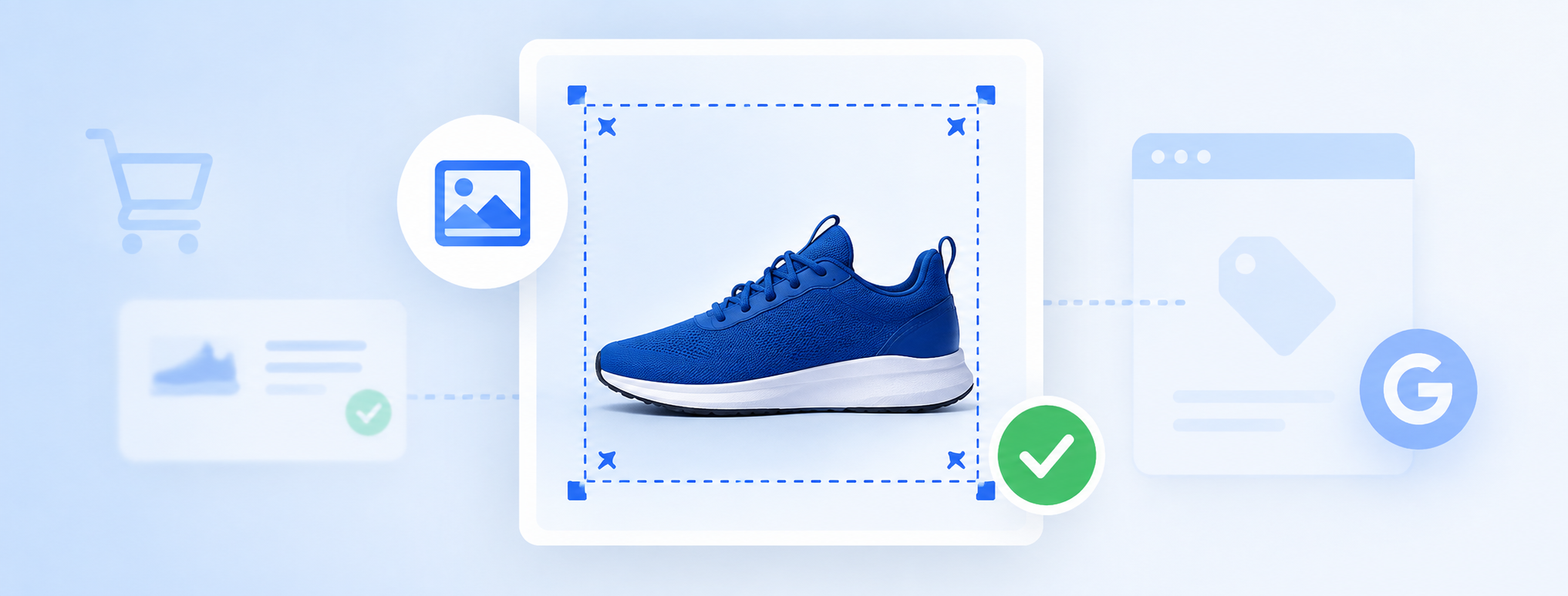
Google is raising the minimum image resolution for products submitted to Merchant Center. Beginning January 31, 2027, all primary and additional product images must be at least 500 × 500 pixels.
Merchant Center began displaying warnings for undersized images in 2026. For now, these warnings generally do not prevent products from appearing in Shopping ads or free listings. That makes them easy to ignore, especially in large catalogs with long diagnostics lists.
Do Not Ignore the Warnings
A warning may not affect performance today, but it identifies a product that could be disapproved once enforcement begins.
Merchants and feed managers should:
- Find affected products. In Merchant Center, open the Needs attention section, select View history, and look for the “Image too small for upcoming enforcement” warning.
- Assess the scope. Determine how many primary and additional product images fall below the new requirement.
- Prioritize large catalogs. The more products and diagnostics an account has, the easier this warning is to miss.
- Build a remediation timeline. Do not assume every image can be replaced shortly before the deadline.
Update Source Imagery
Feed changes alone may not solve the problem. In many cases, merchants will need higher-resolution images from their ecommerce platform, product information management system, digital asset library, or another source system.
That work may require coordination among merchandising, ecommerce, creative, and IT teams. It may also involve generating new image URLs so Google can detect and process updated files promptly. Google notes that replacing an image while keeping the same URL can delay detection.
Google recommends images of approximately 1500 × 1500 pixels or larger for the best performance across listing formats, even though the new minimum is 500 × 500.
Start Before Warnings Become Disapprovals
VersaFeed monitors policy updates like this and helps clients identify catalog risks before they affect product visibility. Starting early gives teams time to source better imagery, coordinate updates, and avoid a last-minute remediation project.
Source
Don’t wait until January 2027. Talk to VersaFeed about identifying affected products and building a practical image-update plan.
Request Demo Get Pricing