
The days of using product feeds exclusively as low-funnel action-focused marketing assets are over.
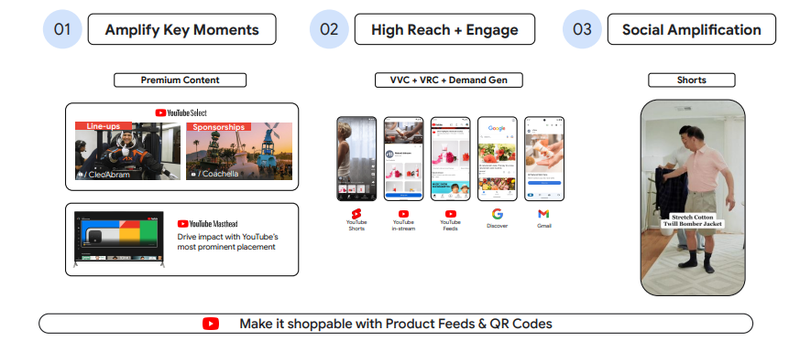
With Demand Gen campaigns, awareness and consideration placements are now shoppable. At the same time, feed-powered shoppable placements are expanding across the YouTube ecosystem.
Over the last 12 months, users watched 35 billion hours of shopping content on YouTube, and 80% of shoppers say YouTube content helps them make more confident purchase decisions. (Source: YouTube data, global, 1/27/24 – 1/26/25)
Google also recently introduced a Shoppable YouTube Masthead (alpha), turning the platform’s most prominent placement into a direct path to purchase.
Use these three tips to maximize the impact of your feed-powered Demand Gen campaigns:
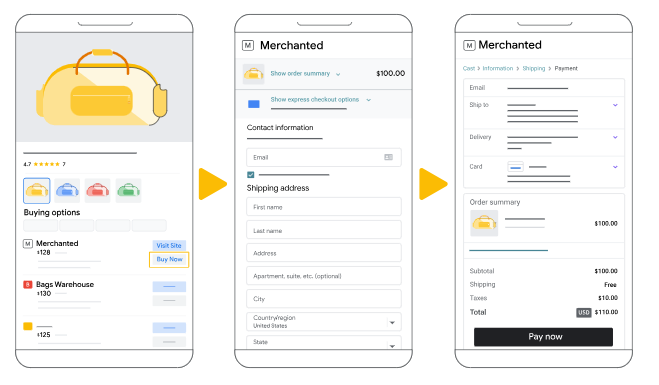
Enable Checkout on Merchant
- Add compatible URL parameters in your product feed using either product ID or the [checkout_link_template] attribute.
- Merchants saw an average +11% increase in conversion value in Demand Gen campaigns with Checkout enabled. (Source: Google Partner Center)
Activate Shoppable CTV Placements
- Update image sizes and aspect ratios to align with YouTube CTV guidelines and best practices.
- Tip: Many image URLs can be adjusted directly within the product feed to meet these specifications.
Optimize Feed Attributes for Demand Gen Placements and Reporting
- Add the [short_title] attribute to improve readability and layout (<65 characters recommended). Many Demand Gen formats rely on Short Titles.
- Demand Gen reporting now includes Ad Spend per Custom Label value alongside product-level reporting. Implement robust Custom Label strategies for deeper segmentation and actionable performance insights.
Optimizing your product feed is foundational for full-funnel performance across today’s expanding shoppable media landscape. Brands that invest in feed quality will be best positioned to scale seamlessly across channels and capture demand at every stage of the journey.